

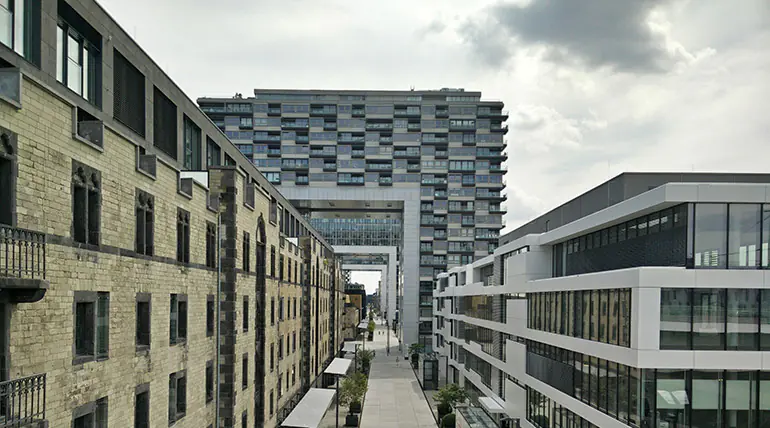
For over a century, concrete has been the undisputed king of construction. From sprawling urban skylines to suburban foundations, it is the most widely used man-made material on the planet. But as the real estate market shifts toward sustainability and eco-conscious living, developers and homebuyers are realizing a fundamental truth: architecture is not based on concrete.
Today, the building industry is moving rapidly toward innovative, sustainable alternatives that offer structural integrity, breathtaking aesthetics, and a significantly lower carbon footprint.
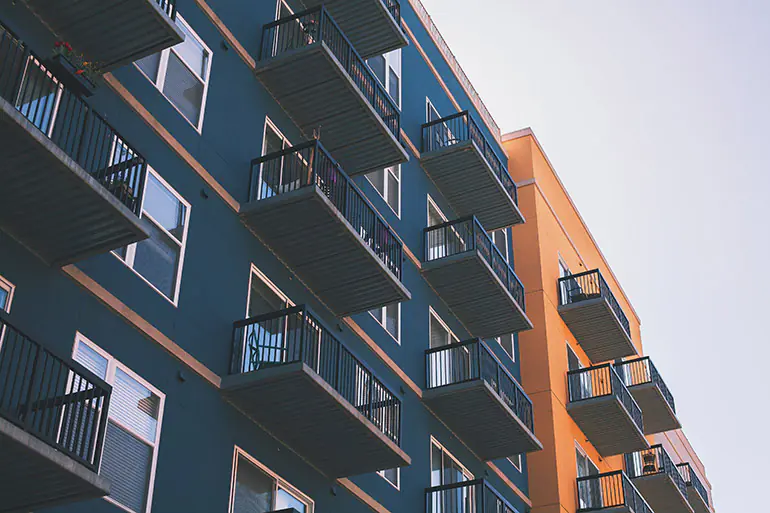
Why Move Away From Concrete?
As environmental regulations tighten and corporate ESG (Environmental, Social, and Governance) commitments grow, the real estate market is actively seeking low-carbon and carbon-negative building materials.
While concrete is durable and inexpensive, its environmental cost is staggering. The production of cement (the binding agent in concrete) is responsible for roughly 8% of global carbon dioxide emissions. If the cement industry were a country, it would be the third-largest emitter in the world.
Top Sustainable Alternatives to Concrete
The architectural landscape of 2026 is defined by materials that are grown, recycled, or engineered to perform just as well as—if not better than—traditional concrete.
1. Mass Timber (CLT and Glulam)
Mass timber construction, utilizing Cross-Laminated Timber (CLT) and Glue-Laminated Timber (Glulam), is revolutionizing large-scale buildings. These engineered wood products offer strength-to-weight ratios comparable to steel and concrete.
- Carbon Sink: Wood naturally stores CO2. A cubic meter of wood can sequester approximately one ton of carbon dioxide.
- Speed: Prefabricated timber components allow for much faster construction timelines, reducing on-site waste and labor costs.
- Aesthetics: Exposed timber provides warm, natural interiors that appeal to modern homebuyers.
2. Rammed Earth
Rammed earth is an ancient technique making a massive comeback in luxury and eco-friendly real estate. Walls are created by compacting layers of local soil, clay, and gravel into solid, beautiful forms.
- Thermal Mass: Rammed earth walls naturally regulate indoor temperatures, absorbing heat during the day and releasing it at night, drastically cutting energy bills.
- Low Impact: Sourcing materials directly from the building site minimizes transportation emissions.
3. Bamboo
Often referred to as “green steel,” bamboo is a rapidly renewable resource that can be harvested in just three to five years. It has a higher tensile strength than many alloys of steel and a higher compressive strength than many mixtures of concrete. Modern architectural techniques have elevated bamboo from temporary structures to stunning, permanent residential and commercial designs.
What This Means for Homebuyers and Investors
The shift away from concrete isn’t just an environmental victory; it is a financial and lifestyle upgrade.
- Lower Utility Costs: Materials like rammed earth and hempcrete offer superior insulation, reducing the reliance on artificial heating and cooling.
- Healthier Living Spaces: Natural materials eliminate the off-gassing of volatile organic compounds (VOCs) commonly found in synthetic building products, leading to significantly better indoor air quality.
- Higher Resale Value: As eco-consciousness becomes a top priority for younger generations of homebuyers, properties featuring sustainable architecture often command a premium on the market.
Architecture without concrete isn’t a step backward; it is a leap forward into a smarter, cleaner, and more beautiful built environment. Whether you are looking to build a custom home or invest in a modern development, focusing on sustainable materials is the blueprint for the future.